Celebrating Wellness and Community Connections

Published Date - 31st October 2025 | Author - Philippa Honosutomo

This Autumn at Cherry Tree House, we have been focusing on one of our core values – Wellness – and exploring new ways for both our residents and our team to feel their best, inside and out. 

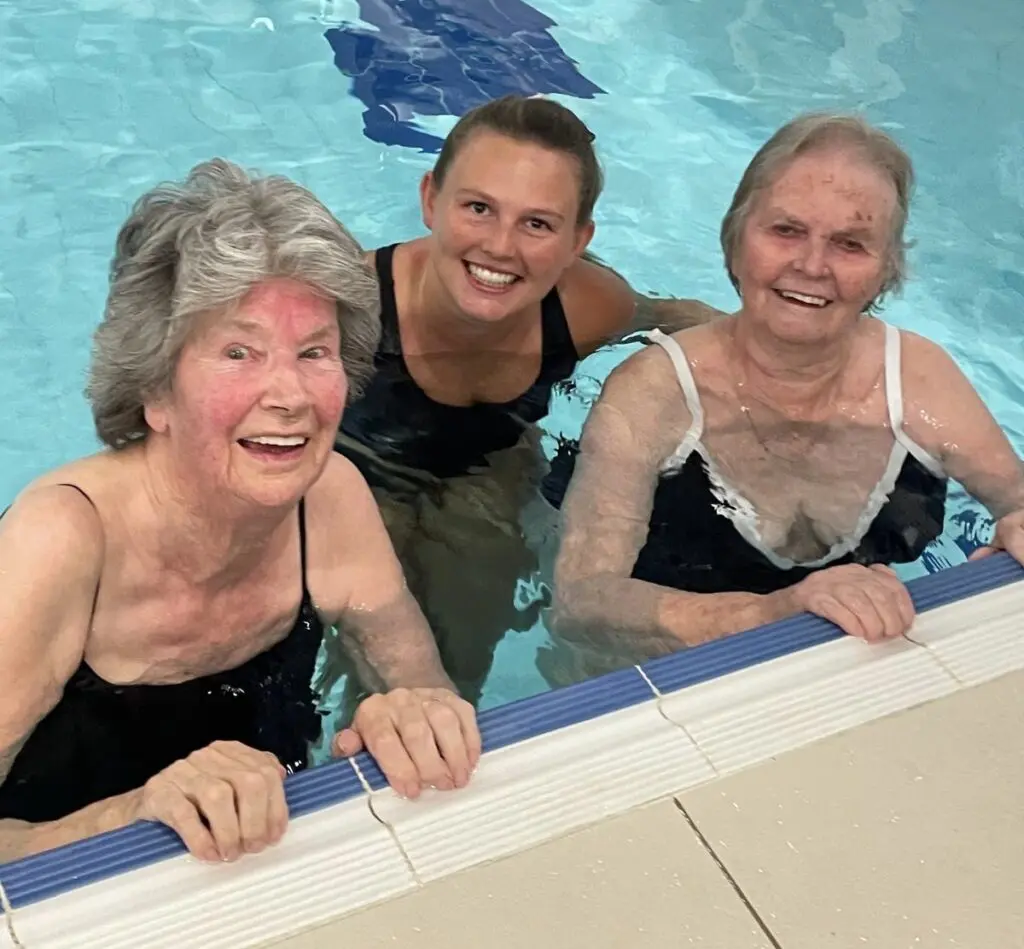
As part of this, we recently made the most of local facilities and built new community connections with a visit to The Chiltern Neuro Centre for a hydrotherapy session led by the fantastic Phoenix Physiotherapy team. The session was tailored to our residents’ needs and included a range of exercises designed to build strength and mobility – from gentle knee bends and practising breaststroke arms, to pushing through the water and even walking across the width of the pool unaided. 

Our residents absolutely loved the experience and were amazed at what they could achieve in the water. The atmosphere was full of smiles, laughter and moments of pure joy – a wonderful reminder of how powerful movement, connection and a change of setting can be for overall wellbeing. 

A huge thank you goes to the Phoenix Physiotherapy team at The Chilterns Neuro Centre for making it such a positive and uplifting experience for everyone.

Our team at Cherry Tree House were also joined by Yoga by Alice for an evening class focused on stretching, relaxation and self-care, keeping the wellness theme going. 

If you have ideas for future collaborations or would like to connect with us about community wellness activities, we’d love to hear from you. Contact philippahonosutomo@salveocare.co.uk

How do I choose the right care home?

Published Date - 10th September 2024 | Author: Grace Evans

If you're at the point in life where a care home is a consideration, it's essential to take the necessary steps to ensure you make the best choice. Whether you're seeking a home for yourself or a loved one, it's important to find a place that provides long-term happiness, wellness, and the right level of care.

You may know you just need residential care or perhaps require more complex clinical support, such as nursing care. Whatever your situation, it's crucial to find a home that offers both the care and environment you deserve. The following tips can help guide your decision-making process.

Key Factors to Consider When Choosing a Care Home

When selecting a care home, several factors come into play. The most important include:

These points offer a starting guide, but let's delve deeper into each aspect to ensure you can confidently choose the right care home.

Location

The care home’s location is a crucial factor. Proximity to loved ones is often a priority, so it's worth exploring homes within a reasonable distance. You may also want to consider nearby facilities such as shops, cafes, and restaurants, as well as any clubs or activities you'd like to remain involved with, to maintain community ties and your independence. For instance, if you're an active member of a local bridge club, it could be beneficial to live close enough to continue socializing and playing with fellow members at your new home.

If you're considering private residential or dementia care in Wendover, we encourage you to take a closer look at what we offer. You can get in touch here, by filling out a contact form or giving us a call, and we’ll take care of the rest for you.

Care

Before settling on a care home, ensure it can address your specific clinical and care needs. For instance, if a loved one requires palliative care or specialised dementia support, it's vital that the home you choose has expertise in these areas and can provide the necessary care.

Reviews and Ratings

When searching for the right care home, it's essential to feel confident about the quality of care provided. You'll want to verify that the home complies with all legal and regulatory standards. This information is accessible through CQC reports. At Salveo Care, we’re proud of our "Good" ratings. Besides official assessments, it’s equally valuable to read what current residents and their families have to say. Websites like "carehome.co.uk" feature reviews from people who have direct experience, offering real insights and often a sense of comfort during this significant decision-making process.

Shortlisting

Once you have identified homes that align with your needs, create a shortlist; after that, arrange visits. Spending time at potential homes gives you a chance to meet staff and observe the environment firsthand. While reviews provide valuable information, nothing compares to getting a personal feel for the place during a visit.

Don't rush your visit - take the time to engage with staff members and ask any questions you have. It's also helpful to speak with current residents to understand how they’ve adjusted to life in the home.

Respite Care

One of the best ways to assess whether a care home is right for you is to experience it firsthand. Many care homes offer short-term stays, known as respite care. This can be beneficial for a variety of reasons, such as giving regular caregivers a break or helping you recover after an illness or surgery. As a respite guest, you’ll be able to experience the daily life of a permanent resident, including meals, activities, and the overall quality of care. This can give you a clear sense of whether the home is the right fit for your long-term needs.

Choosing the right care home is a significant decision that requires careful consideration and research. By taking the time to evaluate the location, care services, reviews, and costs, and even trying out a short stay, you can feel confident in your choice. Ultimately, finding a home that provides comfort, security, and the right level of care will ensure peace of mind for both you and your family.
Intergenerational Connections

Published Date - 24th May 2024 | Author - Grace Evans

In the hustle and bustle of modern UK life, it’s becoming increasingly rare for children to grow up around their grandparents. Unlike many other cultures, our younger generations often miss out on the rich experiences that come from close relationships with their elders. This growing gap can lead to a lack of understanding between generations and contribute to the social isolation and loneliness that many older adults face. That’s why I’m so passionate about bringing children into care homes and promoting intergenerational interactions.

At Salveo Care, we’ve opened our doors wide to local schools and nurseries, hosting playgroups for babies and toddlers, and encouraging our staff and residents to invite their young families to visit. It’s vital for children to grow up with fond memories of older adults, developing an inherent respect and understanding that will stay with them for life. This initiative is part of our broader mission: ensuring that older people are not forgotten about or seen as a burden.

These individuals were once the parents, teachers, servicemen and women who built the society we enjoy today. Is it too much to ask that we care for them in their twilight years, providing the support they need to enjoy every moment they can? I don’t think so. Intergenerational care, defined as ‘planned activities that purposefully bring together different generations in shared settings to share experiences that are mutually beneficial’, first took root in the 1970s in Tokyo when a nursery school and care home merged.

The concept quickly gained popularity and has been spreading in the UK, with projects like Channel 4’s “Old People’s Home for 4 Year Olds” showcasing the many benefits for both young and old. Beyond just entertainment, intergenerational interactions offer profound emotional, cognitive, physical, and social advantages.

Emotional Fulfilment

The presence of young people brings a refreshing burst of energy into our residents’ lives. You can see that children’s comical comments and sheer excitement for life lifts their spirits almost immediately.

Many of our residents don’t have grandchildren, so they would otherwise miss out on the fun that children bring. The simple affection and curiosity of a child can alleviate the feelings of loneliness and depression that many older people experience. Similarly, many children today don’t have grandparents, and they might miss out on the wisdom and warmth that older adults provide to them.

Cognitive Benefits

Engaging with children often results in improved mental alertness and memory for our residents. The need to pay attention, be creative, and solve problems during activities and conversations helps maintain cognitive functions and can even delay cognitive decline. For children, these interactions are equally enriching. Hearing stories from older adults enhances their understanding of history and different life perspectives. It also facilitates language development, empathy, patience, and communication skills. By interacting with older adults, children develop a broader vocabulary and greater confidence in expressing themselves.

Physical Activity

Having energetic children around can really motivate residents to engage in physical activities they might otherwise avoid. Whether it’s walking, dancing, or getting creative, the presence of children provides the right encouragement to get moving. We even witnessed our lovely resident, David, find the strength to lift a visiting toddler up for a big goodbye cuddle!

Combating Social Isolation and Anxiety

Regular visits from children offer vital social interaction, helping our residents connect and feel a true sense of purpose. This social boost is linked to numerous health benefits, including a reduced risk of dementia and various physical ailments like high blood pressure, arthritis, and cardiovascular issues.

Community Cohesion

Intergenerational programs build stronger, more cohesive communities. They encourage mutual respect and understanding between different age groups, breaking down stereotypes and prejudices. Watching children interact with residents who use wheelchairs or other specialist equipment without judgment or preconceptions is heartwarming and teaches them about this part of life.

The benefits of intergenerational care are profound and multifaceted. By embracing these interactions, we enrich the lives of both children and older people, while also creating an inclusive and empathetic community. My hope is that we can work together to bring generations closer, celebrate our elders, and the simple joy children bring to our lives!

Embracing Pet Therapy

Published Date - July 2024 | Author - Grace Russell

How Peps The Dog Brings Joy To Cherry Tree House

At Cherry Tree House, we have the immense joy of welcoming Peps, a ‘Pets as Therapy’ (PAT) dog, along with his wonderful owner, Claire, every week. Peps is a resilient and loving dog who was rescued from Egypt and has been blind since birth. He has become a beloved figure in our care home and his visits are a highlight for our residents, staff, and families.

Peps and the PAT Program

Pets As Therapy (PAT) is a national charity dedicated to enhancing the health and wellbeing of people across the UK through the companionship of animals. Volunteers like Claire generously donate their time to bring their pets to hospitals, hospices, residential homes, schools, prisons, and other establishments across the UK. The impact of these wholesome visits is nothing short of amazing.

Emotional Support

Regular visits from Peps provide immense emotional support to our residents. The simple act of petting a dog can melt away feelings of loneliness and isolation, lifting moods and bringing smiles to their faces. Peps has a special way of alleviating symptoms of depression and anxiety, spreading joy wherever he goes.

Physical Health

Did you know that petting a dog can lower blood pressure and reduce stress? Peps encourages our residents to engage in physical activities, whether it’s a gentle walk or a playful interaction. His presence acts as a delightful distraction from chronic pain and discomfort, promoting overall physical wellbeing.

Cognitive Benefits

Interacting with a dog stimulates the mind, sparks conversations, memory recall, and cognitive engagement. When Peps is around, our residents are more likely to chat with each other and with our staff, sharing stories of their own beloved pets growing up and into their adult lives.

Therapeutic Engagement

Regular visits provide our residents with a comforting routine and something to eagerly anticipate. Dogs have a unique way of helping people express their emotions and reminisce about fond memories with pets from their past. Peps is more than a visitor; he’s a friend who helps our residents reconnect with their happiest memories.

A Boost for Everyone

The benefits of therapy animal visits extend beyond our residents. Our staff also experience reduced stress levels and improved morale when Peps is in the building. His presence creates a more relaxed, positive environment, making it easier for staff to interact with residents who are more engaged and communicative than usual.

Building Community Spirit

Animals have a magical ability to bring people together. Visits from Peps and other animals are shared experiences that encourage residents to interact and form new friendships. The positive atmosphere Peps create makes Cherry Tree House feel even more like home, and for that, we are profoundly grateful.

In a world that can sometimes feel isolating, Peps reminds us of the simple joys and connections that come from spending time with a loving animal. We are incredibly fortunate to have him and Claire as part of our Cherry Tree House family, and we look forward to many more heartwarming visits in the future.

Would you like to bring a PAT animal into Cherry Tree House? Please get in touch. You can email us at admin@salveocare.co.uk or call us on 01296 623350.

Secret Link